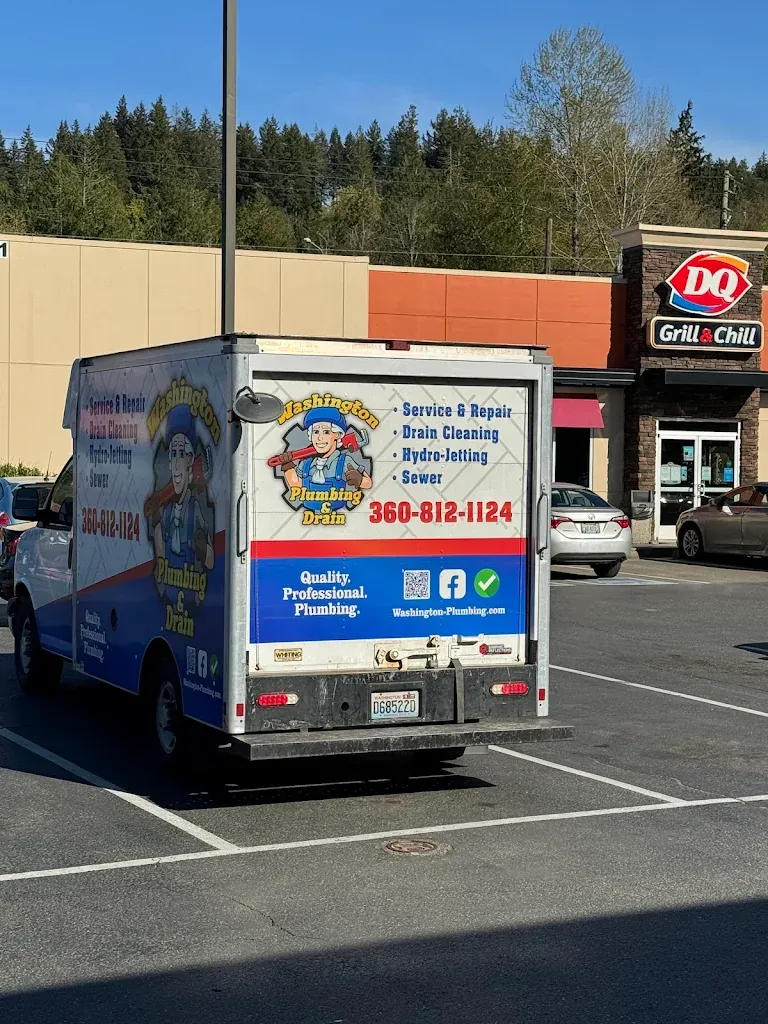
Water supply is the first question we ask on a Tacoma job. Tacoma Water, part of Tacoma Public Utilities, serves the city from the Green River watershed with groundwater wells, including the South Tacoma wellfield, backing it up. Green River water is soft, which is why hard-water scale is a minor issue in Tacoma compared with the well country across the bridge. It is about 35 to 40 minutes from Port Orchard across the Tacoma Narrows Bridge, longer at the evening rush to Tacoma, a run we make often enough to know the roads, the water districts and the quirks of the housing.
Why emergency plumbing is a little different in Tacoma
Drive time to Tacoma from Port Orchard affects how fast we can arrive, and we tell you the real estimate on the phone rather than promising something we cannot deliver. While you wait, we walk you through shutting off the water or stopping the backup.
Where the drains end up matters just as much. Essentially all of Tacoma is on city sewer run by Tacoma Environmental Services, with the Central and North End treatment plants. Some older neighborhoods have combined or very old side sewers in clay, concrete or cast iron. Septic is rare and limited to a few unincorporated pockets at the edges.
Local conditions that affect emergency plumbing in Tacoma
The pattern we see most in Tacoma is this: Basement floor drains and old ejector pits backing up during atmospheric rivers
After an emergency repair in a Tacoma home, we document what happened with photos and a written description for your insurance claim, and point you to restoration companies for drying and rebuilding.
Local conditions shape the work. In Tacoma: Water heaters installed in unheated garages and basements freezing or rusting out
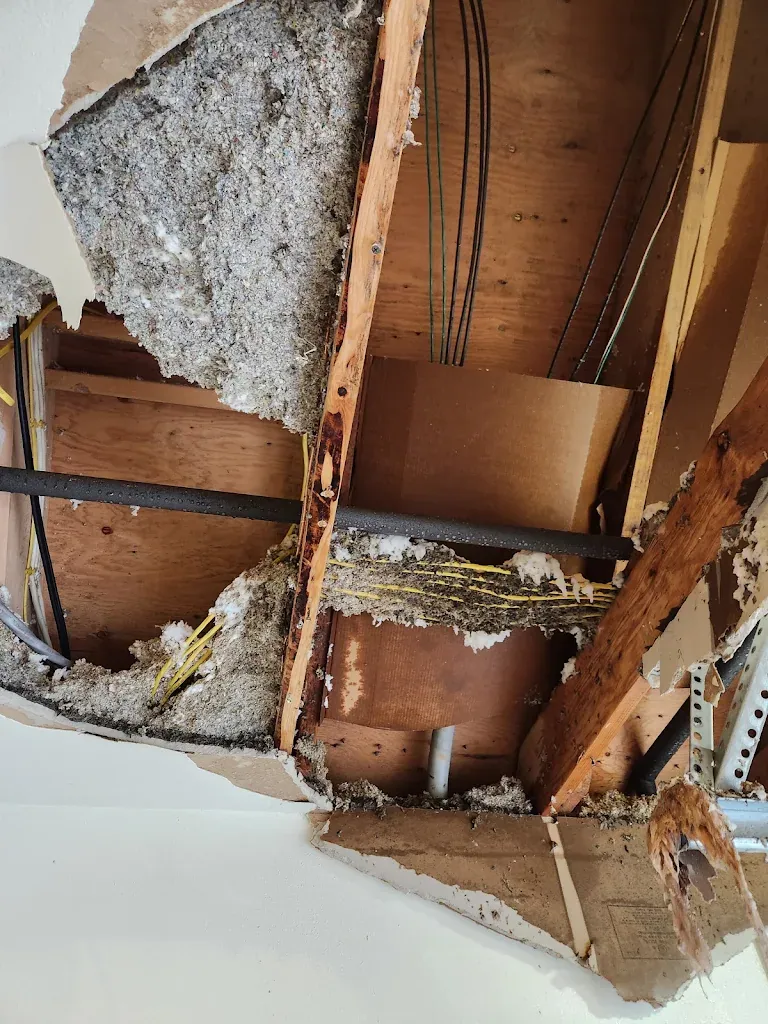
Hard freezes hit Tacoma every few winters, and the split copper lines show themselves when the thaw comes. We repair freeze damage throughout Pierce County and will thaw and inspect frozen lines before they burst if you call in time.
Signs Tacoma homeowners call us for emergency plumbing
Worth a call
- The main shutoff will not close and a line is leaking
- The well has quit and the house has no water
- A pipe froze and you expect it to split when it thaws
- You smell gas (call the utility first, then us)
- A toilet is overflowing and it is the only bathroom
How we handle emergency plumbing in Tacoma
For emergency plumbing in Tacoma the order of operations is call and get a person, stop the water or the sewage, honest triage, flat price before work starts, repair, test and document, then plan the follow-up. That sequence keeps the work predictable and the price honest.
Read the full step-by-step for emergency plumbing →
Tacoma neighborhoods and areas we serve
From Old Town to West End and Narrows, with plenty of stops around Tacoma Dome and Museum of Glass, Tacoma is well-worn ground for our trucks.
Emergency Plumbing questions from Tacoma
What should I do first if a pipe bursts in my Tacoma home?
Shut off the main water valve, open a low faucet to drain pressure, and call us. If you cannot find the valve, we will help you locate it over the phone.
Can you handle a sewage backup in Tacoma at night?
Yes. Main line backups are among the most common after-hours calls we take, and the service truck carries the equipment to open the line.
Do you do water damage restoration in Tacoma?
No. We stop the leak and fix the plumbing, then refer you to a restoration company and provide the documentation your insurance adjuster will need.
Do you offer 24/7 emergency plumbing in Tacoma?
We answer emergency calls evenings, weekends and after hours, and our reviews include middle-of-the-night and holiday jobs in Pierce County. We do not guarantee a response at every hour, but we always give you a real answer about when we can be there.
What should I do while I wait for the plumber?
Shut off the water at the main or at the fixture, open a low faucet to drain pressure, move belongings out of the wet area, and stop using drains if sewage is backing up. We will walk you through all of it on the phone.
We bring the same equipment to Tacoma that we use at home in Kitsap: sectional and drum machines, a push camera with a monitor, our own hydro jetting truck, and a van stocked for the common repairs.