
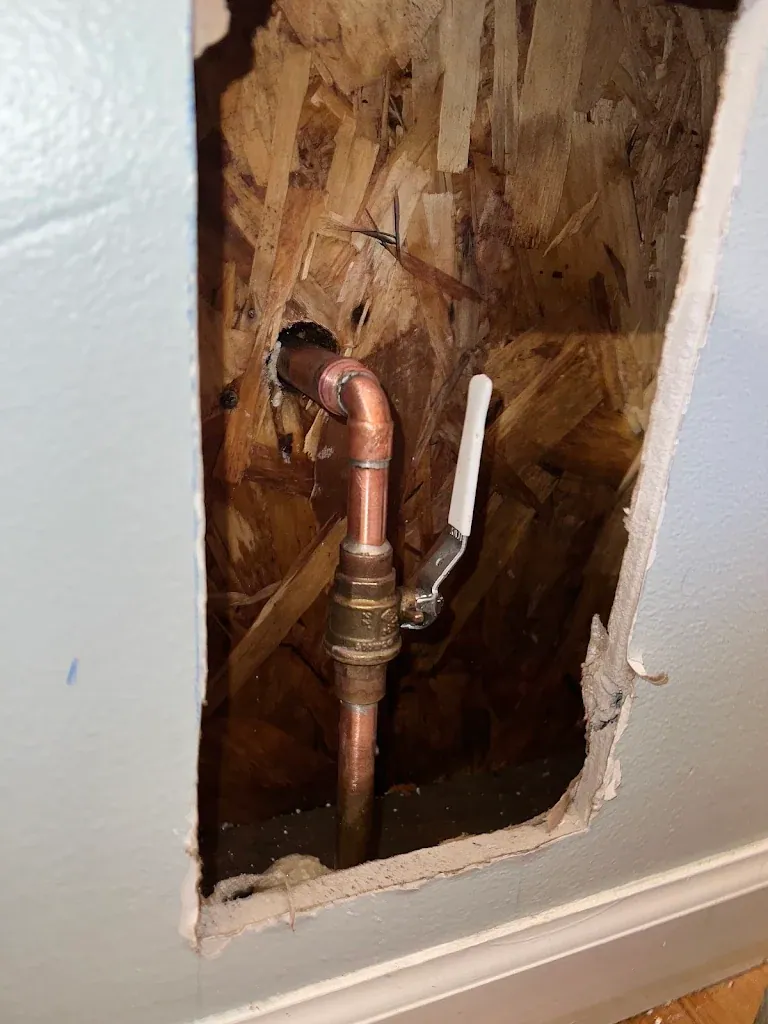
Washington Plumbing & Drain finds and fixes hidden leaks across Kitsap, Pierce and Mason counties. We pressure test the system to prove which line is losing water, isolate it to the hot or cold side, listen along the pipe with acoustic equipment, and open the wall or floor in one place rather than guessing with a reciprocating saw. Then we fix what we find, and we photograph it for your insurance file.
We also tell you when the leak is not plumbing. Roof flashing, window seals, a failed shower pan and condensation on cold pipes all mimic a pipe leak, and we have told plenty of homeowners around Port Orchard to call a roofer instead of us. Reviews mention that, and it is how we prefer to work.
The kinds of leaks that hide in West Sound homes
Supply leaks are under pressure, so they run all the time and show up on the meter. Pinholes in copper from aggressive water or electrolysis, cracked fittings, a failed compression stop under a sink, a nail through a PEX line from a picture-hanging project, and freeze splits that opened in January and stayed quiet until the thaw are the common ones. The 1950s to 70s homes around Bremerton and Port Orchard have original copper that is reaching the pinhole stage.
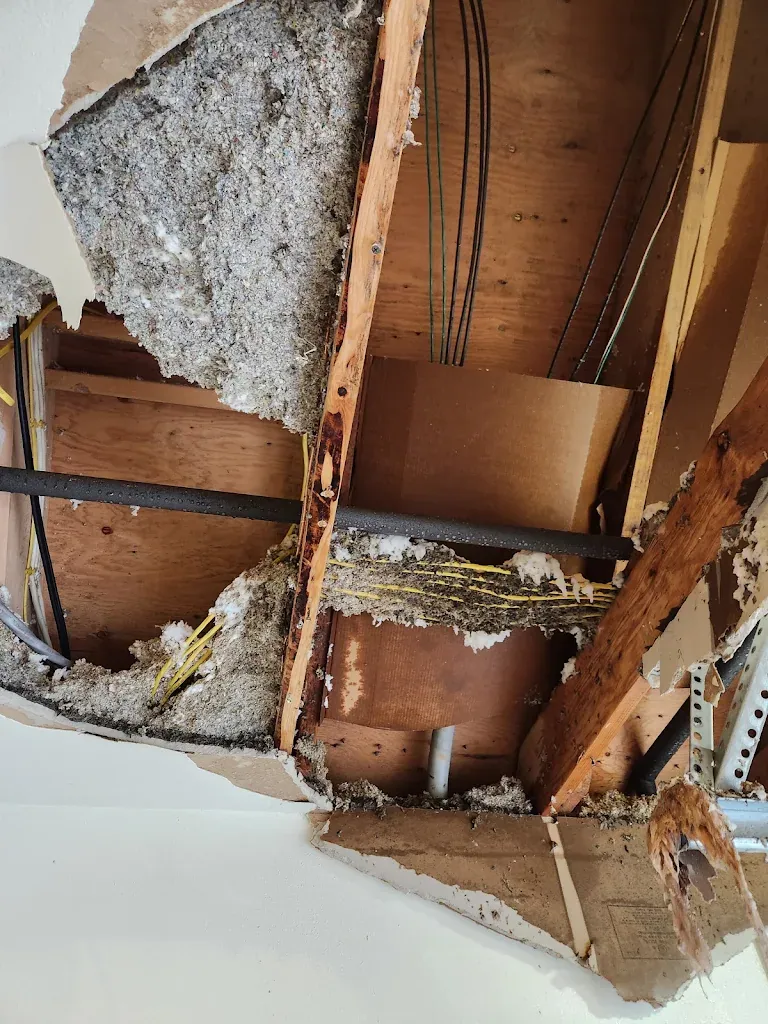
Drain leaks only run when the fixture is used, so they do not register on the meter and they are easier to miss. A failed wax ring under a toilet, a cracked tub drain shoe, a slip joint that was hand-tightened twenty years ago, or a cast iron hub that has rusted through will stain the ceiling below a bathroom a little at a time. The water often travels along a joist before it drips, so the stain is rarely under the leak.
Slab leaks are supply or drain lines buried in or under a concrete floor, common in the slab-on-grade ranch homes of Tacoma, Lakewood and parts of Gig Harbor and in the daylight basements that step down hillsides in Bremerton. A warm spot underfoot, a hot water heater that runs constantly, or a crack in the slab that stays damp are the giveaways. Finding the exact spot before cutting concrete is the whole game.
How we find a leak without guessing
Everything starts with the meter and the shutoffs. With all fixtures off, a moving meter dial confirms a supply leak. Closing the main at the house tells us if it is inside or in the service line. Closing the cold inlet to the water heater tells us whether it is on the hot side, which is where most slab leaks and most pinholes turn up. Those three steps take ten minutes and cut the search area in half each time.
Next we isolate and pressurize. A gauge on a hose bib or a laundry valve shows pressure dropping over time, and how fast it drops tells us roughly how big the leak is. On drain lines we fill fixtures and watch, or run the camera, because a drain leak needs water flowing through it to show. On a suspected slab leak we may use thermal imaging to see the warm stripe of a hot line under the floor.
Then we listen. Acoustic leak detection amplifies the sound of water escaping under pressure, and by moving the sensor along the pipe route we can pinpoint a supply leak to within a foot or so even through drywall or concrete. For walls we combine that with a moisture meter to find the wettest point, which is usually directly below the leak and not where the stain shows.
Repairing with the smallest opening we can
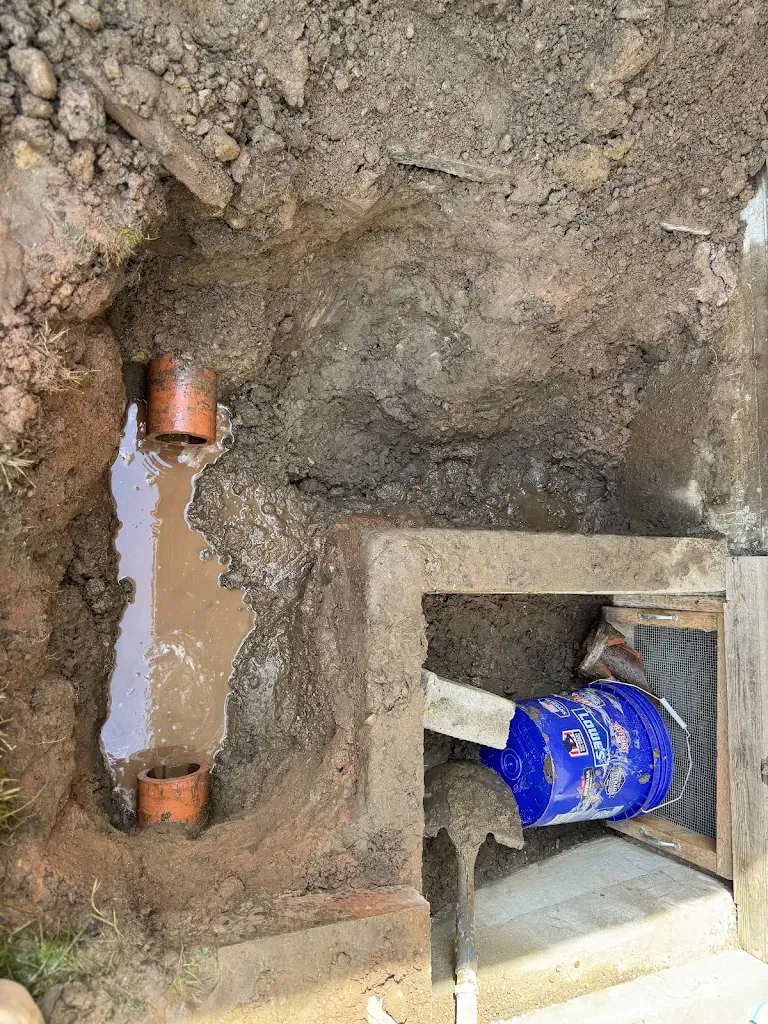
Once a leak is located, we open the wall, ceiling or floor at that one spot with a clean, square cut sized to the repair. A pinhole in a copper line gets the bad section cut out and new copper soldered in, or a PEX splice with proper fittings where that makes more sense. A failed fitting is replaced with a new one. A drain leak gets the bad joint or section replaced and tested by running the fixture, not just by looking at it.
We leave the opening for the drywall patch rather than closing it ourselves. That is deliberate: a repair should dry out and be looked at once more before it disappears behind paint. We can recommend a drywall contractor, and the square cut we leave is the easiest kind to patch.
Slab leaks get a different conversation. Breaking concrete to repair one hot line under a kitchen floor makes sense if the rest of the system is sound. If the house has had two slab leaks already, rerouting the line overhead through the attic or along a wall, or repiping the hot side entirely, is often the better answer, and we lay out both prices so you can decide.
- Single access opening at the located leak, not exploratory holes
- Copper repaired in copper; PEX repaired with proper expansion or crimp fittings
- Drain repairs tested with running water, supply repairs tested under full pressure
- Photos of the leak before and after for your insurance file
- Reroute or repipe quoted when a slab leak is one of several
Leaks that are not plumbing, and leaks caused by weather
The rainy season from October through April produces a lot of calls that are water intrusion rather than pipe failure. A stain that shows only after a storm, grows from a corner of the ceiling near an exterior wall, or follows the line of a chimney is a roof or flashing problem. A damp crawlspace with no meter movement is groundwater, common on the clay soils of South Kitsap and Belfair, and that is a drainage or sump pump conversation.
Condensation fools people too. Cold water lines sweating in a warm, humid crawlspace in June drip onto insulation and look exactly like a leak. Insulating the lines solves it. We check for this before we quote a repair, because nobody should pay to fix a pipe that is not leaking.
The other weather leak is the freeze split. Copper and PEX lines in garages, crawlspaces and exterior walls froze during the December 2022 and January 2024 cold snaps, and some of the resulting cracks did not leak until the water thawed days later. If you have a leak that appeared right after a hard freeze, tell us; it narrows the search to the lines that are exposed to outside air.
Working with your insurance and a restoration company
When a hidden leak has damaged drywall, flooring or cabinets, your homeowner's policy may cover the damage even though it usually will not cover the pipe repair itself. Adjusters want to see the cause, so we document the leak with photos before the repair, describe it plainly on the invoice, and have written short letters for claims when a customer asked.
We do not do water damage restoration, drying or mold remediation, and we will not pretend to. When a leak has soaked a floor or ceiling, we stop the water, make the repair, and give you the names of restoration companies that work in the area. Getting the drying started quickly matters more than most people realize, and we say so on every call where it applies.
Signs you need leak detection & repair
Call if you notice
- A ceiling or wall stain that returns after being painted
- The water meter moves with every fixture in the house turned off
- A warm spot on a concrete or tile floor with no radiant heat
- The water heater runs or cycles when nobody is using hot water
- A musty smell in a closet, under a sink or in the crawlspace
- Soft, bubbling or discolored drywall near a bathroom or kitchen
- Water bill climbing month over month with no change in use
- A hissing sound in a wall when the house is quiet
- Wet insulation or damp joists in the crawlspace in dry weather
How a leak detection & repair call goes
Narrow it with the meter and shutoffs
Meter test, main shutoff test, and hot-side isolation at the water heater tell us within minutes whether the leak is supply or drain, inside or outside, hot or cold.
Pressure test and thermal scan
A gauge shows how fast the system loses pressure. Thermal imaging finds warm hot-water lines under floors and behind walls, and a moisture meter maps the wettest point.
Pinpoint by sound
Acoustic listening along the pipe route locates a pressurized leak to within about a foot, through drywall, tile or concrete.
Flat price for the repair
Once we know what and where, you get a written flat rate for the access and the repair. If a reroute or a larger repipe makes more sense, both options are priced.
Open once, fix, test
A single clean access cut, the repair in matching material, and a full-pressure or running-water test before we call it done.
Document for your records
Before-and-after photos and a plain description on the invoice for your insurance adjuster. We leave the opening ready for a drywall patch and recommend restoration help if the damage calls for it.
Questions we get about leak detection & repair
How do you find a leak behind a wall without cutting it open?
Meter and shutoff tests tell us which line it is on, a pressure gauge tells us how much it is losing, and acoustic listening and a moisture meter put us within a foot of it. We open the wall once at that spot. On most jobs the hole is the size of the repair.
Is the stain on my ceiling definitely a plumbing leak?
Not always. If it is directly under a bathroom and grows when the shower or toilet is used, probably yes. If it appears only after rain, follows an exterior wall or a chimney, or shows up in winter near a cold attic, it may be the roof or condensation. We check before we quote.
What is a slab leak and how do you repair one?
A leak in a water line running in or under a concrete floor. We locate it with hot-side isolation, thermal imaging and listening, then either open the slab at that spot for a direct repair or reroute the line above the floor. For homes that have had more than one slab leak, we usually recommend rerouting or repiping the hot side.
Will my insurance cover a hidden leak?
Many policies cover sudden damage from a leak but not the pipe repair itself, and most exclude long-term seepage. We cannot interpret your policy, but we document the cause with photos and a clear invoice so the adjuster has what they need.
Can you dry out the water damage too?
No. We stop the leak and make the repair, and we refer you to restoration companies that handle drying, drywall and mold. Starting the drying fast is important, so we give you those names on the first visit.
My crawlspace is wet but the meter is not moving. What is it?
Most likely groundwater or condensation, not a supply leak. South Kitsap and Mason County clay soils hold water through the rainy season, and a damp crawlspace is often a drainage or sump pump problem. If a drain line is leaking, it will only show when a fixture runs, and we can test for that.
Do you charge for leak detection if you do not find anything?
Diagnosis is a flat-rate service call quoted before we start. If we determine the leak is not plumbing, you still get a clear answer and a direction to the right trade, which is usually worth the visit. Simple checks that take a few minutes we have been known to not charge for at all.