
Short answer
Washington's Residential Landlord-Tenant Act requires landlords to keep plumbing in reasonably good working order and sets repair deadlines once a tenant gives written notice: 24 hours to restore hot or cold water, heat or electricity or fix an immediate hazard, 72 hours for a major plumbing fixture the landlord supplies, and 10 days for everything else. The practical answer for a Kitsap, Pierce or Mason County rental is a turnover inspection, a short list of preventive items, and a plumber who will respond to a tenant call, quote a flat price, and send you the invoice.
In this guide
Key takeaways
- Under RCW 59.18.060, the landlord must maintain plumbing, water heating and sewage facilities in reasonably good working order.
- RCW 59.18.070 starts the repair clock when the tenant gives written notice: 24 hours for loss of water or hot water, 72 hours for a major plumbing fixture, 10 days for other repairs.
- Tenants who give proper notice and are not repaired on time can, within limits, hire a licensed contractor and deduct the cost from rent under RCW 59.18.100.
- Washington requires two days' written notice before a landlord enters for non-emergency repairs; emergencies are exempt.
- A plumbing inspection at every turnover catches running toilets, slow drains and failing water heaters before the next tenant calls at midnight.
- Water heaters, hose bibs, disposals and toilet fill valves are the four items that generate most rental calls, and all four are cheap to maintain.
What Washington law requires of a landlord on plumbing
The Residential Landlord-Tenant Act, RCW 59.18, is the framework. Section 59.18.060 lists the landlord's duties, and several of them are plumbing: keep the premises fit for human habitation, keep shared areas clean and safe, provide adequate heating facilities, and maintain all plumbing, water heating, sewage and electrical equipment in reasonably good working order. A rental with no hot water, a sewer backup or a water line that has been shut off because of a leak is not meeting that standard.
Section 59.18.070 sets the timelines. Once a tenant gives written notice of a defective condition, the landlord must begin remedying it as soon as possible and in any case within 24 hours when the defect deprives the tenant of hot or cold water, heat or electricity, or is imminently hazardous to life; within 72 hours when it involves the refrigerator, range and oven, or a major plumbing fixture supplied by the landlord; and within 10 days in all other cases. Repairs must then be completed promptly. These are the numbers to know, and the clock runs from receipt of written notice, which includes text and email in practice as long as the lease allows it.
If the landlord does not meet those timelines, the tenant has remedies. Under RCW 59.18.100 a tenant who has given proper notice can hire a licensed and registered contractor for the repair and deduct the cost from rent, subject to caps tied to monthly rent and a requirement to give the landlord an estimate first. Tenants can also pursue rent reduction, repair through an escrow process, or in serious cases terminate the lease. The plain lesson is that a plumber who responds the same day is cheaper than any of those outcomes.
Entry, notice and emergencies
RCW 59.18.150 requires a landlord to give the tenant at least two days' written notice before entering to make repairs, and the entry has to be at a reasonable time. For showing the unit to prospective tenants or buyers the notice is one day. The exception is an emergency, where the landlord or the landlord's contractor can enter without notice. A burst pipe, a sewer backup, no water and an active leak into the unit below all qualify.
For a plumber, this means the landlord or property manager needs to make the arrangements. We coordinate directly with tenants for scheduling once the owner has authorized the work and the notice has been given, and we text the tenant when we are on the way the same as we would an owner. Keep a record of the notice and the tenant's response, because it matters if there is ever a dispute about access.
A practical arrangement for out-of-area owners, and there are many in Kitsap with Navy transfers, is to have the lease name the plumber tenants should call for emergencies, with instructions to shut off the water and notify the owner at the same time. We handle this for several property managers in Port Orchard, Bremerton and Gig Harbor: the tenant calls, we respond, the flat-rate quote goes to the owner for electronic approval, and the invoice follows.
The turnover inspection
The best time to find a plumbing problem in a rental is the week between tenants. The unit is empty, access is easy, and a repair done now does not become a notice-and-timeline event later. A turnover plumbing check takes an hour or so and covers the things that actually fail.
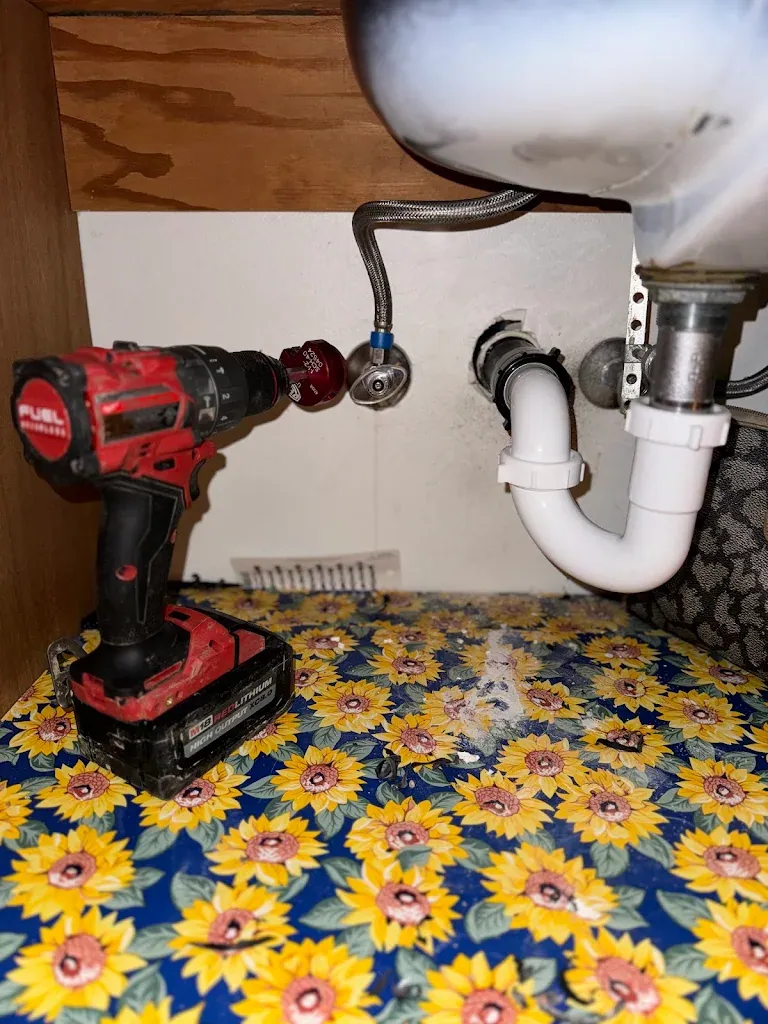
Run every fixture and watch it drain. Flush every toilet and listen for the fill valve shutting off cleanly. Put dye tablets in the toilet tanks and come back to see whether color is in the bowl, which means a leaking flapper and a water bill nobody is tracking. Open every shutoff under sinks and toilets and confirm they close. Look at the supply lines; braided stainless lines are cheap and should replace any rubber or plastic line older than five or six years, because a failed washing machine or toilet supply line is one of the most common sources of rental water damage.
Check the water heater's age and look for rust, a dripping relief valve, and a missing pan or strapping. Run the disposal. Test the hose bibs. If there is a crawlspace, look in it. And if the unit has not had a sewer scope in the last several years and the building is older, run one; a main line backup in an occupied unit is a 24-hour item under the statute and a miserable week for everyone.
- Drain test every sink, tub and shower
- Dye-test every toilet and replace flappers and fill valves that fail
- Exercise every fixture shutoff
- Replace rubber or plastic supply lines with braided stainless
- Check water heater age, pan, strapping, expansion tank and relief discharge
- Test the disposal and hose bibs
- Camera the main line on older buildings every few years
The four things that generate most rental plumbing calls
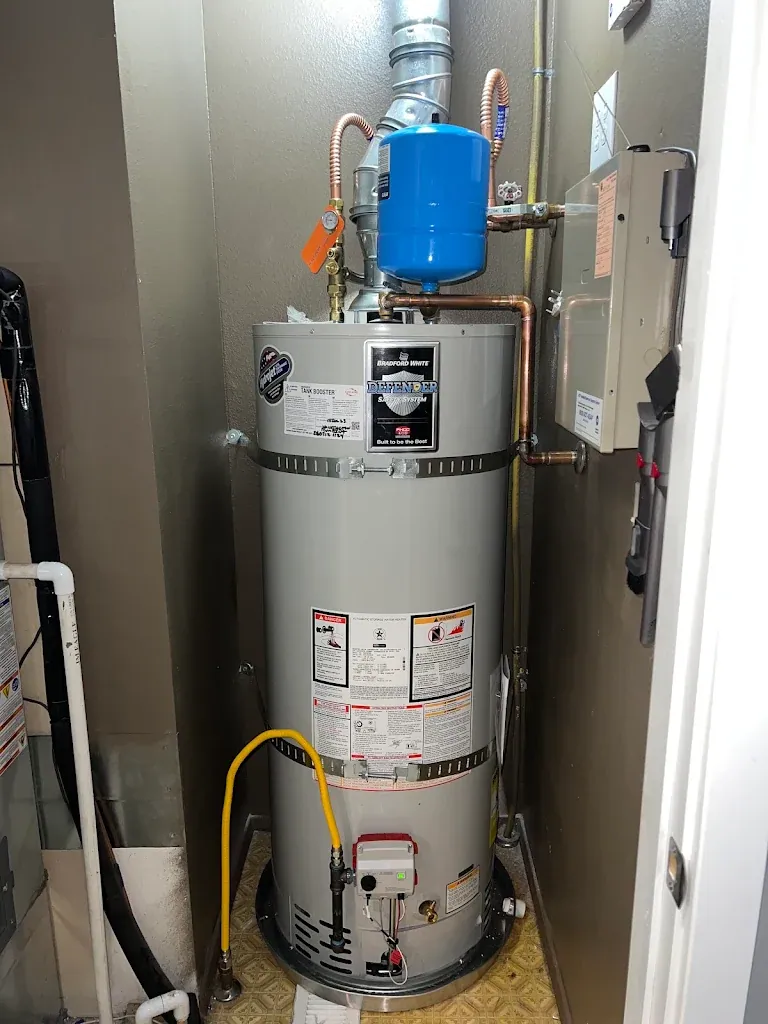
After years of rental work in Kitsap and Pierce counties, the pattern is consistent. Water heaters come first: no hot water is a 24-hour item, and heaters in rentals are often older than they should be because nobody sees them until they fail. Track the install date and plan the replacement at ten or twelve years rather than waiting. Second, toilets: running, weak-flushing or clogged. Fill valves and flappers wear out, and tenants flush things owners would not. Third, disposals, which get fed everything and jam or leak. Fourth, hose bibs that freeze because the tenant left a hose on.
Each of these has a prevention step that costs less than one service call. Replace toilet internals at turnover. Give tenants a one-page sheet on the disposal and the drains. Install frost-free hose bibs and put a line in the lease about removing hoses in winter. Replace the water heater on a schedule.
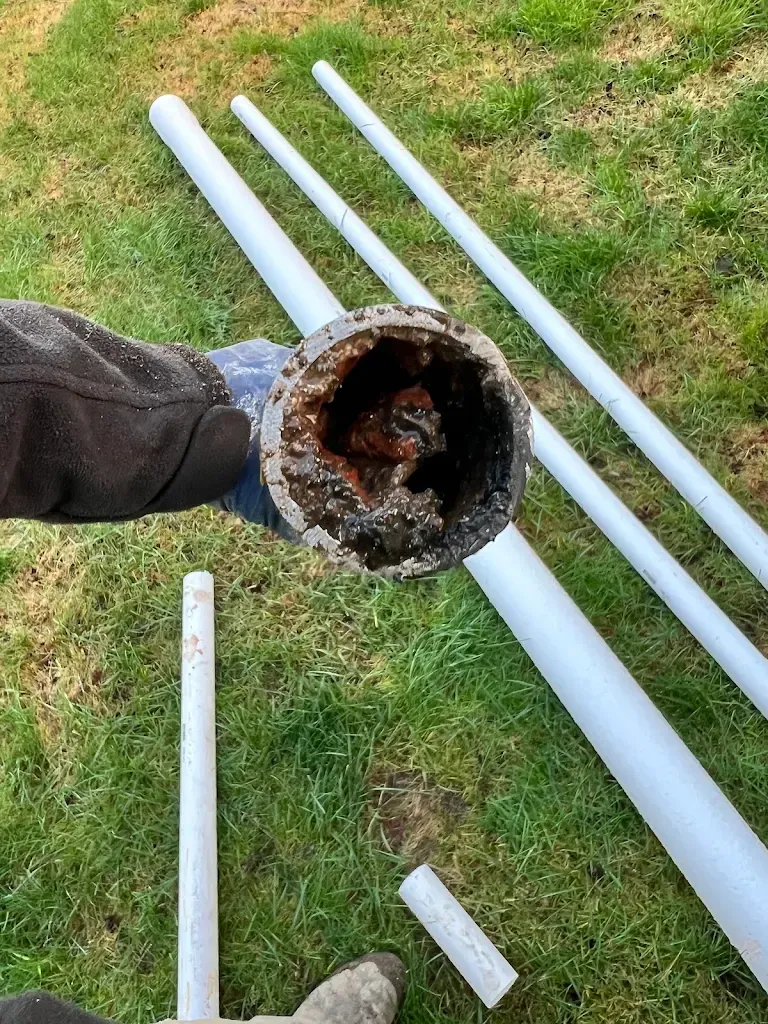
The fifth item is drains, and here the question is whether the clog is from the tenant's use or from the building. A kitchen line clogged with grease in a six-month tenancy is probably the tenant; a main line with roots is the building. Washington law generally puts normal wear and building systems on the owner and tenant-caused damage on the tenant, and a plumber's written finding of what caused the clog is what settles that conversation.
Water bills, leaks and who pays
Many Kitsap rentals have the water bill in the landlord's name, especially on Kitsap PUD and West Sound Utility District accounts, and a running toilet or a slab leak can double a bill before anyone notices. Read the meter at turnover and periodically between. If the tenant pays water, they are more likely to report a running toilet, but they are also more likely to call you angry about a bill that is actually a leak you are responsible for.
A leak the tenant could not have known about, inside a wall or under the slab, is the landlord's. Water damage from a tenant who ignored a dripping supply line for a month is a harder conversation, and the lease should require tenants to report leaks promptly. Either way, document it: we photograph what we find and write the cause on the invoice, which is what the insurer and, if needed, a small claims judge will want.
For buildings with several units on one meter, a smart shutoff valve on the main that reports flow and shuts off on a catastrophic leak can be worth it. For single-family rentals in flood-prone crawlspace areas like the low parts of Port Orchard and Belfair, a working sump pump with an alarm is the equivalent.
Septic and well rentals
A large share of single-family rentals in Mason County, South Kitsap, Olalla and the Key Peninsula are on septic, and many are on wells. Tenants from the city often do not know what that means. The lease should say it, and the tenant should get a short explanation: only toilet paper gets flushed, grease stays out of the sink, laundry gets spread out, and the drainfield is not a parking spot.
The landlord owns the septic maintenance. Pumping on schedule is the septic company's job; the effluent pump, the alarm and the plumbing from house to tank are ours. An alarm that goes off is a call the tenant should make to you immediately, and it is worth telling them what the alarm box looks like before they are standing in front of it at two in the morning.
On wells, the landlord is responsible for water that is safe to drink. Washington requires regular testing for small public systems, and a private well serving a rental should be tested at least yearly for bacteria and nitrates. Keep the pump house locked, heated in winter and off-limits to tenants except for a labeled shutoff.
Working with a plumber as a landlord
What a landlord needs from a plumber is different from what a homeowner needs. You need someone who will take the call from a tenant, go out, diagnose, and then stop and send you a flat-rate price to approve before doing anything beyond making the situation safe. You need that price to be the price. You need the invoice to say what was found, what caused it and what was done, in language that works for a security deposit letter or an insurance claim. And you need it to happen on a schedule the law allows.
That is how we work with property managers and individual owners across the three counties. Corinne handles the scheduling and tenant coordination, the quote goes to the owner's phone, and the plumber texts the tenant before arriving. For owners with several units we keep a record of water heater ages and past work so turnover planning is simple.
Frequently asked
How fast do I have to fix a plumbing problem in a Washington rental?
Under RCW 59.18.070, once you receive written notice: start within 24 hours if the tenant has no hot or cold water or the condition is hazardous, within 72 hours for a major plumbing fixture you supply, and within 10 days for other repairs. Repairs then have to be finished promptly.
Can a tenant hire their own plumber and deduct it from rent?
Yes, under RCW 59.18.100, if they gave proper written notice, you missed the deadline, and they follow the statute's steps, including giving you an estimate first and using a licensed contractor. The amount is capped relative to monthly rent. Responding promptly avoids the whole process.
Who pays for a clogged drain, the landlord or the tenant?
Depends on the cause. Building problems like roots in the sewer, old cast iron or a bellied line are the owner's. A clog from grease, wipes or objects the tenant put down is generally the tenant's. We put the cause on the invoice so there is a basis for the decision.
Do I have to give notice before sending a plumber in?
Two days' written notice for ordinary repairs under RCW 59.18.150. For a true emergency, a burst pipe, sewer backup or no water, you can enter without notice. We coordinate with the tenant on timing either way.
Can you deal with my tenants directly?
Yes. Many owners name us in the lease as the emergency plumber. The tenant calls, we respond and diagnose, you approve the flat-rate quote electronically, and you get the invoice. You stay informed without having to be on site.
How often should a rental get a plumbing inspection?
At every turnover at minimum, and yearly for long-term tenants. Water heater age, toilet internals, supply lines and drains are the items that change the most between visits.
About the author. Gregory Lowe is the owner and lead plumber at Washington Plumbing & Drain, a veteran-owned company in Port Orchard serving Kitsap, Pierce and Mason counties. The guidance here comes from daily work in local homes, not from a content farm. Call (360) 812-1124 with questions.