
Short answer
Western Washington plumbing has its own calendar. In October, disconnect hoses, insulate exposed pipe and test the sump pump before the rain. Through the wet months, watch the crawlspace, the water heater and the septic system. In spring, check hose bibs for freeze damage and flush the water heater. In summer, when the ground is dry and the schedule is open, do the bigger items: descale the tankless, test the pressure, check the well tank, and camera the sewer if it is due. Most of it takes an hour a season and prevents the calls we get at two in the morning.
In this guide
- Why a local checklist instead of a generic one
- Early fall, before the rain: freeze and flood prep
- During the rainy season: water in all the wrong places
- Spring: finding what winter broke
- Summer: the big-ticket maintenance
- Any month: the five-minute habits
- The septic-specific list
- When to hand it to a plumber
Key takeaways
- Fall is the most important season. Nearly every freeze-related call we took in December 2022 and January 2024 traced to a hose left on a bib or an uninsulated crawlspace line.
- The rainy season from October to April is sump pump season. Test it before the first atmospheric river, not after.
- Water heaters need a drain-and-flush and an anode check yearly; tankless units need a descaling flush yearly.
- Check house pressure once a year with a gauge on a hose bib. Anything above 80 psi is wearing out everything downstream.
- Septic homes should spread water use, know where the lids are, and keep the pump chamber alarm in working order.
- A whole-home plumbing inspection every few years catches the things on this list that a homeowner cannot see from the hallway.
Why a local checklist instead of a generic one
The lists you find online tell you to winterize for a Minnesota January and to watch for hard water scale from Arizona. Neither is our problem. Our problems are a long, wet, mild season that keeps crawlspaces damp from October through April, a handful of hard freezes that arrive with wind and catch unprepared houses, soft water that is gentle on scale but tough on old copper, and a big share of homes on wells and septic systems that need attention a city house never thinks about.
So this list is arranged by our seasons and our housing. It covers the shipyard-era homes in Bremerton and Port Orchard with their crawlspaces and old galvanized, the newer tract homes in Silverdale and Gig Harbor with their PEX and pressure reducing valves, and the cabins and well homes in Mason County and the Key Peninsula. Skip what does not apply to your place.
Early fall, before the rain: freeze and flood prep
Start with the outside. Take every hose off every hose bib and store it. A hose left on holds water in the bib body, and when a hard freeze comes the bib splits, usually inside the wall where you will not see it until spring. If your bibs are the old non-frost-free kind, find the interior shutoff for each one, close it, and open the bib to drain. Frost-free bibs drain themselves, but only if the hose is off.
Then the crawlspace. Confirm the vapor barrier is in place, look at every supply line for missing insulation, and pay special attention to lines near foundation vents and the garage. Foam pipe sleeves are cheap. Make sure the crawlspace vents are not blocked by debris, and if you close vents for winter, remember to open them in spring so the space can dry.
Finally, the sump pump. Pour a bucket of water into the pit and watch it run, lift the float by hand if it does not, and check that the discharge line outside is clear and not pointed at the foundation. If the pump is more than seven years old or sounds rough, this is the month to replace it, before the water table rises.
- Disconnect and store all hoses; close interior valves to non-frost-free bibs
- Inspect crawlspace supply lines for insulation gaps; add foam sleeves
- Test the sump pump with a bucket of water and check the discharge
- Clean gutters and confirm downspouts discharge away from the foundation
- Locate and tag the main water shutoff; show everyone in the house
During the rainy season: water in all the wrong places
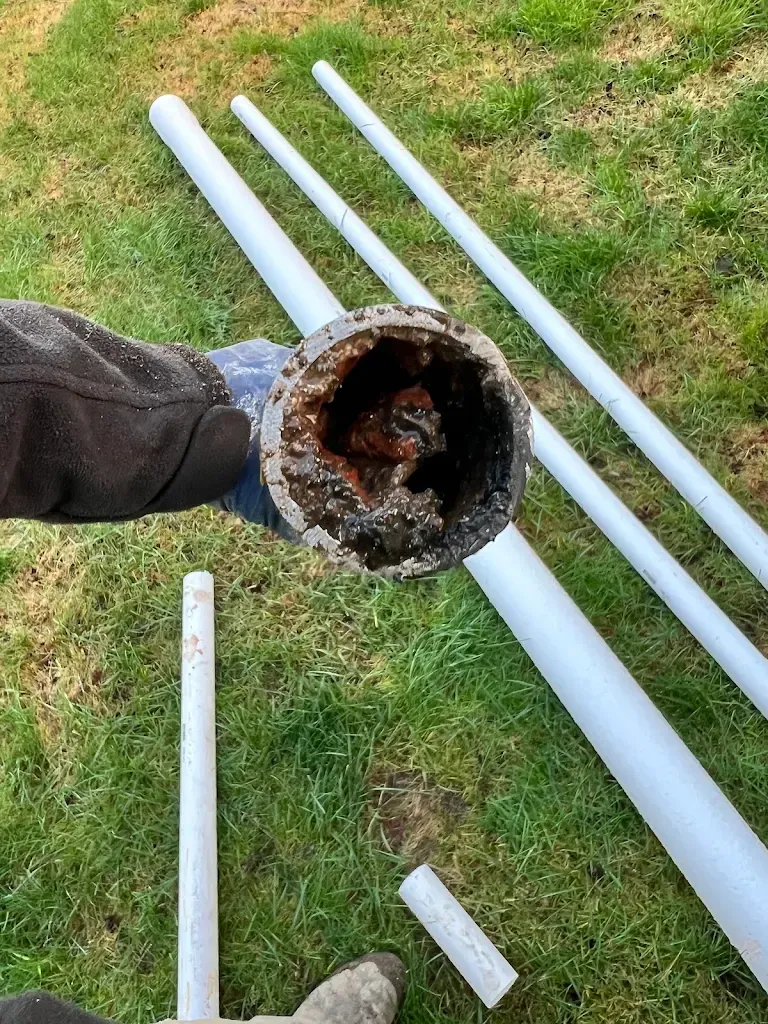
From November on, the ground is saturated and groundwater sits on top of the glacial till and clay layers under much of Kitsap and Pierce. It finds its way into crawlspaces, especially on the downhill side of sloped lots in Port Orchard, Tracyton and Gig Harbor. Once a month, open the crawlspace hatch with a flashlight. Standing water, a soaked vapor barrier, or a musty smell means the sump is not keeping up or the drainage is not working.
Listen to the house. A sump that runs every few minutes all winter is normal on some lots and a warning on others. A septic pump chamber alarm, a red light or buzzer usually mounted on the outside of the house, means the effluent pump has stopped or the chamber is flooding with groundwater. A gurgle from a drain when it rains hard points to a sewer line taking on water through cracks and root intrusion.
Freeze week is its own routine. When the forecast shows a few nights in the teens with wind, open cabinet doors under sinks on exterior walls, let a cold faucet drip on the far end of the house, and keep the garage door closed if the water heater or any pipe is out there. If you are leaving town, turn off the main and set the heat no lower than the mid-fifties.
Spring: finding what winter broke
The first warm week, turn each hose bib on and watch for a minute. Check the wall behind it inside the house and the crawlspace below it for drips. A bib that split during a freeze often leaks only when it is turned on, so a quick test now beats a wet wall in June. Replace any that fail with frost-free models.
Open the crawlspace vents you closed, pull back any insulation that got wet and let it dry or replace it, and look for new staining on the vapor barrier that would point to a leak above. Walk the yard looking for soft green patches over the service line or the sewer line that do not match the rest of the lawn.
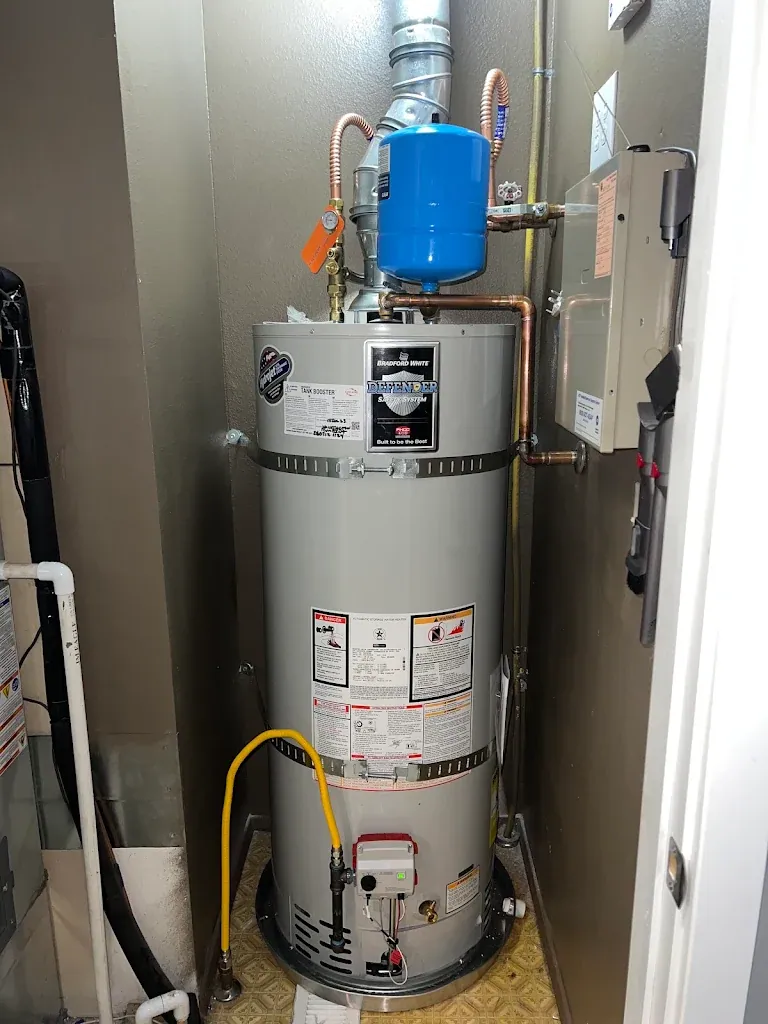
Spring is also the right time to drain a few gallons from the bottom of a tank water heater to flush sediment, test the relief valve by lifting the lever briefly, and look at the expansion tank. If the expansion tank sounds solid when you tap it and the relief valve has been dripping, the tank is waterlogged.
- Test each hose bib; inspect inside wall and crawlspace for leaks
- Open crawlspace vents; check vapor barrier and insulation
- Flush the water heater tank and test the T&P valve
- Tap the expansion tank; replace if waterlogged
- Clean aerators and showerheads of winter sediment
Summer: the big-ticket maintenance
Dry ground and long days make summer the season for anything that involves digging or scheduling. If your sewer line has backed up in the last couple of years, has roots, or has never been cameraed and the house is older than 1980, book the camera inspection now. Sewer repairs and cleanout installs are easier and cleaner in dry soil, and nobody wants an excavation in a February atmospheric river.
Put a pressure gauge on a hose bib and read it with no water running. Between 50 and 70 psi is comfortable. Above 80 psi, the pressure reducing valve is failing or missing, and that pressure is what makes toilets run, faucets drip and supply lines burst. Low pressure on a hill or at the end of a long line is a separate conversation about booster pumps.
Tankless water heaters get descaled in summer so they are clean for the heavy winter demand. Tank heaters get the anode rod checked if it has been more than four or five years. Well homes check the pressure tank's air charge, inspect the well cap and cycle the pump to confirm the pressure switch cuts in and out where it should. If you have whole-house filtration, change the sediment cartridge and note the date on it.
- Sewer camera inspection if the line is older, has backed up, or has roots
- Pressure test at a hose bib; address anything over 80 psi
- Tankless descaling flush; anode check on tank heaters
- Well pressure tank air charge and pressure switch check
- Replace filtration cartridges and RO filters; sanitize the RO tank
Any month: the five-minute habits
Some items do not belong to a season. Once a month, put a few drops of food coloring in each toilet tank and look for color in the bowl after fifteen minutes. Look under every sink for moisture, green crust on fittings, or a sagging cabinet floor. Run water in any fixture that does not get used, like a guest bath or a basement floor drain, so the trap does not dry out and let sewer gas in. Glance at the water meter with everything off.
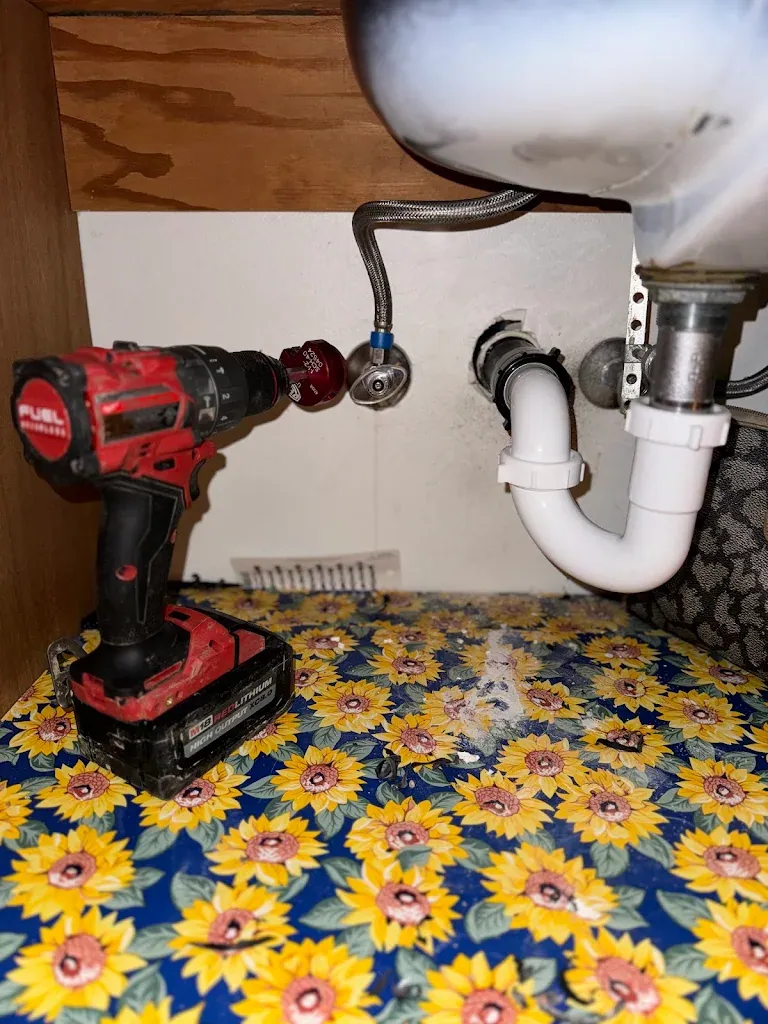
Every few months, run the garbage disposal with ice and a bit of citrus to knock loose the grease film, pull the tub strainer and clean it, and replace the lint sock on the washing machine discharge. Once a year, replace rubber washing machine hoses if they are older than five years, and look at the flexible supply lines under sinks and toilets for bulges or corrosion at the nuts.
The septic-specific list
If you are among the many households in South Kitsap, the Key Peninsula, Seabeck, Belfair, Allyn and most of Mason County on a septic system, add these. Know where the tank lids, the pump chamber and the drainfield are, and keep vehicles and heavy things off them. Keep the pump chamber alarm powered and test it with the test button yearly. Spread laundry through the week rather than running it all on Sunday, especially in winter when the drainfield is saturated.
Have the tank inspected and pumped on the schedule your county health district recommends; Kitsap Public Health requires periodic inspections for many systems. We do not pump tanks, but we repair and replace effluent pumps, floats and alarms, and we clear the house side of the line. If drains in the house slow down everywhere at once and the tank was pumped recently, the problem is in the line and that is our side.
When to hand it to a plumber
Most of this list is homeowner work with a flashlight and a bucket. The items that are not: anything involving gas, anything in a crawlspace you cannot physically get into, descaling a tankless without the pump and isolation valves, replacing an anode rod that has rusted into the tank, and interpreting what a camera shows in the sewer. We do those as flat-rate visits and will show you what we found.
For an older home, a rental, or a property you own from out of state, consider a whole-home plumbing inspection every few years. We go through every item above and a good many more, test what can be tested, photograph the crawlspace, and give you a written list sorted by what needs attention now, what to budget for, and what is fine. It is the single most useful thing an owner of a 1960s house in Bremerton can do for the plumbing.
Frequently asked
What is the most important plumbing maintenance task in Western Washington?
Taking the hoses off the hose bibs before the first freeze, and making sure crawlspace lines are insulated. Those two things account for a large share of the burst pipe calls we took in the December 2022 and January 2024 cold snaps.
How often should I flush my water heater?
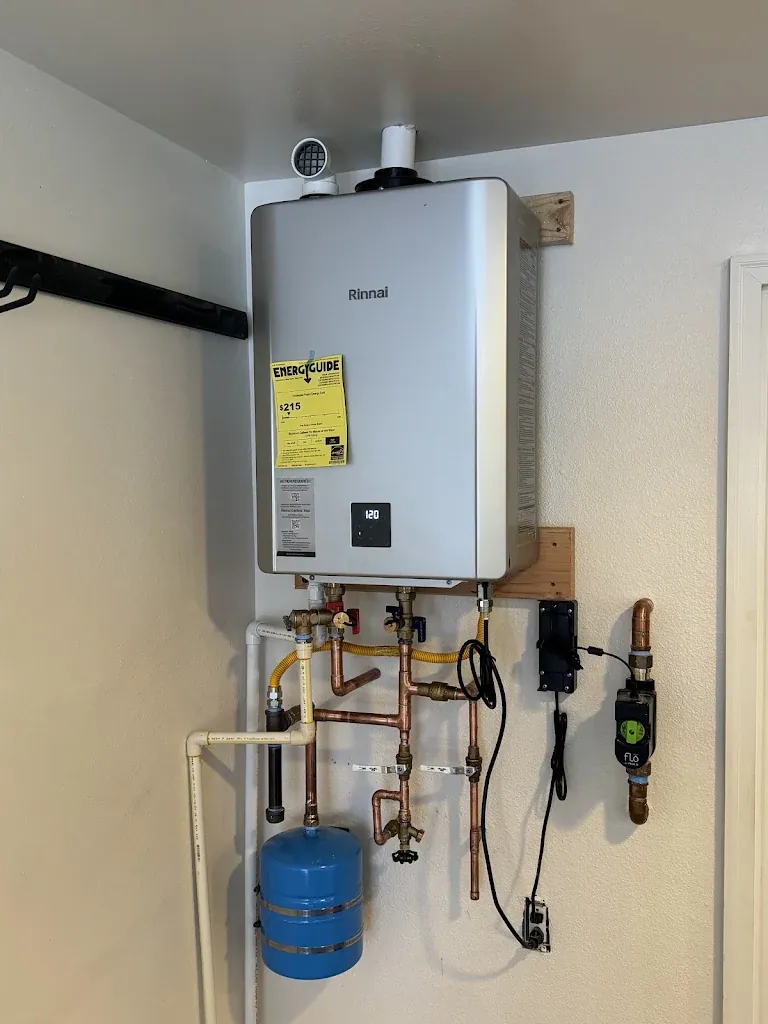
Drain a few gallons from the bottom valve once a year to clear sediment, and have the anode rod checked every four or five years. Tankless units should get a full descaling flush every year, sooner on untreated well water.
Do I need to close my crawlspace vents in winter?
Opinions vary and it depends on the house. Closing them helps keep pipes near the vents from freezing during a cold snap. Leaving them closed all winter traps moisture in an already damp space. A reasonable approach is to close them for the freeze and open them when it passes.
How do I check my water pressure?
Screw an inexpensive pressure gauge onto a hose bib and read it with no water running in the house. Between 50 and 70 psi is good. Over 80 means the pressure reducing valve needs attention. If pressure swings widely, the PRV or, on a well, the pressure tank is the first thing to look at.
When should I schedule a sewer camera inspection?
If the house is older than about 1980 and has never been scoped, if it has backed up before, if trees are anywhere near the line, or if you are buying. Summer is the easiest time to follow up on anything the camera finds.
Can I do this maintenance myself?
Most of it, yes. Hoses, strainers, flapper tests, bucket tests on the sump, pressure gauge readings and flushing a few gallons from the heater are all homeowner work. Gas, tankless descaling, anode replacement and anything requiring a crawl you cannot make are where we come in.
About the author. Gregory Lowe is the owner and lead plumber at Washington Plumbing & Drain, a veteran-owned company in Port Orchard serving Kitsap, Pierce and Mason counties. The guidance here comes from daily work in local homes, not from a content farm. Call (360) 812-1124 with questions.