Short answer
The things that clog drains are rarely exotic. Cooking grease, 'flushable' wipes, coffee grounds, pasta and rice, eggshells, dental floss, hair, kitty litter and paint account for nearly every blockage we cable out of Kitsap County homes. Only water, human waste and toilet paper belong in a toilet; only water and dish soap residue belong in a kitchen drain. On a septic system the list gets stricter, because the tank's bacteria are doing the work a sewer plant would do.
In this guide
- The kitchen sink: grease and everything that sticks to it
- What a garbage disposal can and cannot handle
- The toilet: three things only
- Bathroom sinks, tubs and showers
- The laundry and utility sink
- What a septic system cannot tolerate
- Why liquid drain cleaner is on the list too
- The short version to tape inside a cabinet door
Key takeaways
- Grease is the number one kitchen clog, and running hot water with it just moves the problem farther down the pipe where it is harder to reach.
- Wipes do not break down. Flushable is a marketing word, not a plumbing one. They tangle on roots, cast iron scale and pump impellers.
- Garbage disposals grind; they do not dissolve. Fibrous, starchy and gritty foods should go in the compost or the trash.
- Toilets take three things: pee, poo and paper. Everything else, including products that say they are safe, goes in the trash.
- Septic systems are living systems. Bleach-heavy cleaning, antibacterial soaps, medications and large volumes of water all hurt the tank.
- Liquid drain cleaners rarely fix a clog and often damage old pipes and the plumber who opens them next.
The kitchen sink: grease and everything that sticks to it
Bacon fat, hamburger drippings, butter, coconut oil, the oil from a can of tuna, salad dressing, gravy. Every one of these goes down the sink warm and liquid, cools inside the pipe, and sticks to the wall. The next bit of grease sticks to the first. Coffee grounds, rice starch and the fine grit from a disposal get caught in it. We open kitchen lines in Port Orchard and Bremerton that have a quarter inch of usable pipe left in a 1-1/2 inch drain, and the clog is a solid tube of pale, waxy grease with coffee grounds for texture.
Hot water and dish soap do not solve this. They carry the grease past the trap and into the long horizontal run under the floor, where it cools anyway and where a hand snake will never reach. Wipe pans with a paper towel before washing. Pour grease into an empty can and let it set in the fridge, then trash it. Restaurant kitchens live by this rule because their health inspectors make them; home kitchens should borrow it.
The other kitchen offenders are things that swell or bind. Rice and pasta absorb water and expand in the trap. Flour and oatmeal turn to paste. Eggshells grind into sharp sand that settles in grease. Potato peels and onion skins wrap around the disposal impeller and lodge at the first elbow.
What a garbage disposal can and cannot handle
A disposal is a spinning plate with blunt lugs that throws food against a grind ring. It turns soft scraps into slurry that water carries away. It does not liquefy anything, and it does not change the fact that whatever leaves it still has to travel through the drain. Soft fruit, cooked vegetables, small amounts of leftover plate scrapings: fine. Run cold water before, during, and for a good twenty seconds after.
What jams or clogs: celery, corn husks, asparagus and artichoke leaves wrap the impeller. Bones, fruit pits and shells beat up the grind ring. Coffee grounds and eggshells become sediment. Large volumes of anything at once overwhelm the trap. And grease, again; a disposal does nothing to grease except spray it on the chamber walls.
If you are on septic, use the disposal sparingly or not at all. Food solids add to the sludge layer in the tank and shorten the interval between pumpings. Many septic designers in Kitsap and Mason counties size tanks assuming no disposal.
The toilet: three things only
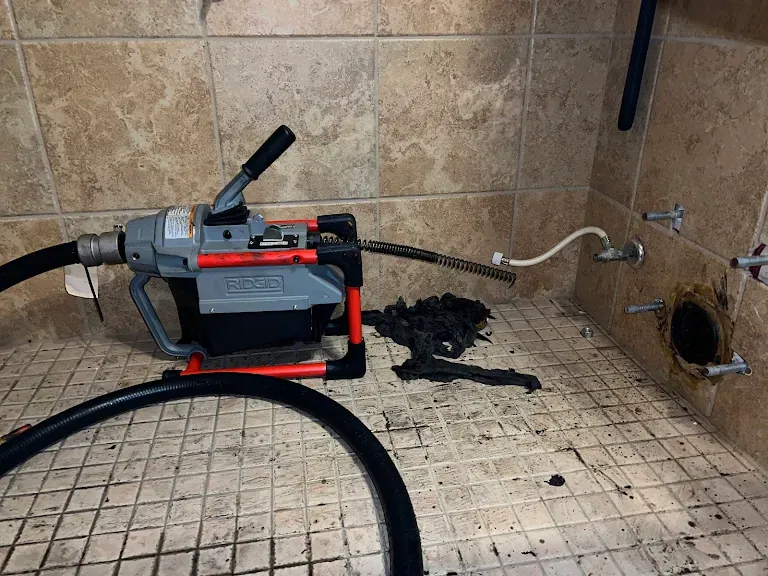
Toilet paper is designed to fall apart in water within seconds. Nothing else sold for a bathroom is. Wipes, including the ones labeled flushable, stay intact through the toilet, through the main line, and into the sewer or septic tank. We pull them off root masses, out of cast iron bellies, and wrapped around effluent pump impellers in Belfair and Allyn pump chambers. Baby wipes, makeup wipes and cleaning wipes are the same material.
The rest of the trash-only list: paper towels, tissues, cotton swabs, cotton balls, dental floss, feminine products, condoms, hair from the brush, bandages, dental picks, contact lenses, and cat litter, including the kind that says flushable. Floss deserves a special mention because it does not clog by itself; it ties everything else together into a net.
Medications belong in a drug take-back bin, not the toilet. Sewer plants do not remove them well, and on a septic system they go straight into the tank and then into the ground above your own drainfield and, in many places out here, above your own well.
Bathroom sinks, tubs and showers
Hair is the clog here, bound together by soap scum, conditioner and toothpaste. A tub drain with a crossbar catches hair on the bars, where it builds up until the drain slows. A bathroom sink collects hair on the pivot rod of the pop-up stopper. The fix is a cheap strainer or hair catcher in the tub and a monthly pull of the sink stopper to clean it.
Things people do not think of: the bits from an electric razor, the ends of cut-off nails, beard trimmings, the sludge from a bar of soap left in a wet dish. Bath oils and heavy conditioners coat the pipe much like kitchen grease. Hot wax from a candle or a waxing kit goes solid in the trap.
A word on the small white cleanout plugs on some bathroom drains: they are there for a reason. If your bathroom sink clogs repeatedly, it is usually the pop-up assembly and the trap, both of which a homeowner can clean with a bucket and a pair of pliers. Our drain cleaning page walks through when that is enough and when it is not.
The laundry and utility sink
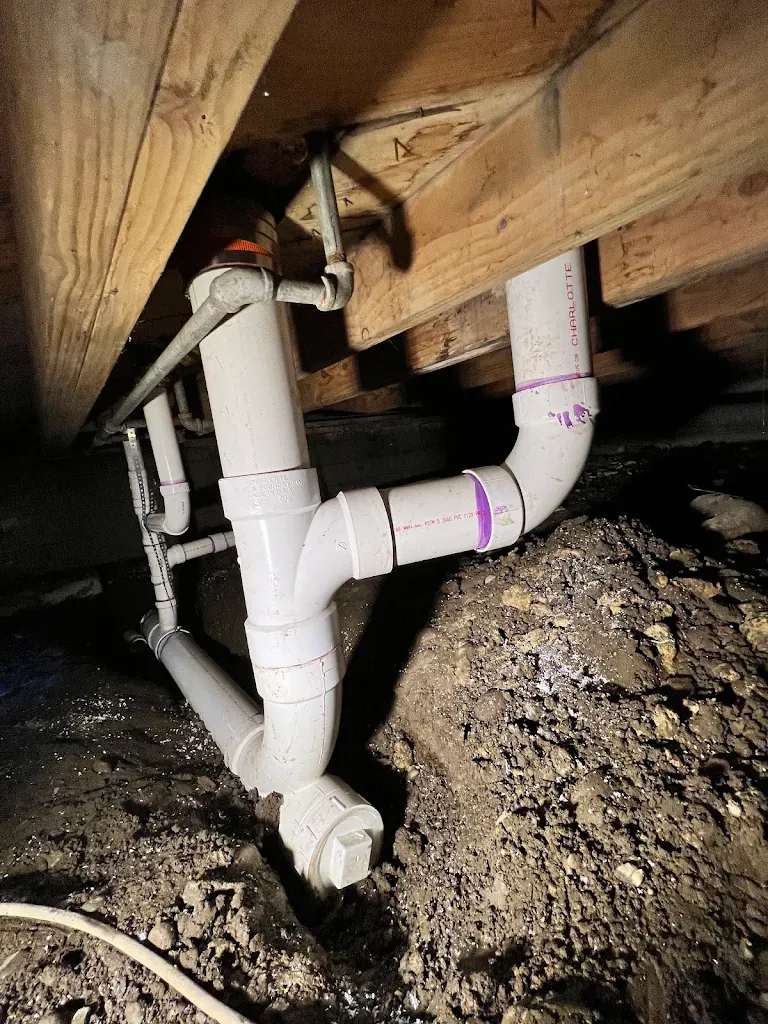
Lint is the main thing. A washing machine discharge carries a steady stream of fiber that collects on the walls of the standpipe and the trap. A lint sock on the discharge hose, changed when it fills, keeps most of it out. Older homes with a 1-1/2 inch galvanized laundry drain clog on lint alone; newer washers pump out faster than those pipes can carry.
The utility sink is where the bad decisions happen. Paint, drywall mud, grout, thinset, concrete wash water, tile saw slurry, and oil from the garage all get rinsed there. Mud and grout set up in the trap like, well, grout. Paint coats the pipe. We have cut out traps in Gig Harbor remodels that were solid with tile thinset. Rinse tools in a bucket, let the solids settle, and pour only the clear water off the top.
Pet shampoo, flea dips and the water from cleaning a fish tank or reptile cage are fine for a sewer but hard on a septic tank. More on that below.
What a septic system cannot tolerate
A big share of the homes we serve in South Kitsap, the Key Peninsula, Seabeck, Belfair and around Mason County are on septic, and a septic tank is a bacteria farm. Anything that kills bacteria, or that the bacteria cannot digest, hurts it. That includes bleach in quantity, antibacterial hand soaps, drain cleaners, strong disinfectants, paint, solvents, gasoline, pesticides and antibiotics. One load of bleach-heavy whites a week is fine. A gallon of bleach to clean a mold problem is not.
Volume matters as much as chemistry. A tank works by letting solids settle while clear water flows out to the drainfield. Running three loads of laundry back to back on a rainy January day, when the drainfield is already saturated by groundwater sitting on glacial till, pushes water through too fast and carries solids with it. Spread laundry out across the week, and fix running toilets promptly; a toilet that runs all night can send hundreds of gallons through the tank.
Grease, coffee grounds, food solids from a disposal, and non-degradable items like wipes do not digest. They build the sludge and scum layers that require pumping. Garbage disposals, water softener backwash and some water filtration backwash should be discussed with whoever designed or maintains your system.
- Keep out: bleach in quantity, antibacterial soaps, drain cleaners, solvents, paint, medications
- Limit: garbage disposal use, back-to-back laundry, long showers during the wet season
- Fine in moderation: normal detergents, toilet paper, dish soap, household cleaning at normal strength
Why liquid drain cleaner is on the list too
Chemical drain openers are either strong base, like lye, or strong acid. They work by generating heat and dissolving organic material, which sounds good until you think about what else is in the pipe. On old galvanized steel drain lines, the kind in most of the pre-1970s homes near the shipyard, they eat the rust scale and then the pipe. On PVC and ABS they can soften glue joints. On a full clog they do not get through; they sit in the trap as a caustic pool that burns whoever opens it next.
An enzyme or bacterial product, used monthly, helps keep a kitchen line from building grease and is safe for septic systems. That is the only bottle we recommend. For a clog that is already there, use a plunger or a hand snake, and call us if neither clears it.
The short version to tape inside a cabinet door
You do not need to memorize all of this. Grease and food scraps in the trash or compost, not the sink. Only paper and what your body makes in the toilet. A strainer in every tub and shower. A bucket, not the utility sink, for anything from a remodel. And if you are on septic, go easy on bleach and spread the laundry out. Do those five things and most of the drain calls we make would never happen.
- Kitchen: no grease, oil, coffee grounds, rice, pasta, flour, eggshells, fibrous peels
- Toilet: no wipes, paper towels, floss, cotton, feminine products, litter, medications
- Bath: strainers in tub and shower, pop-up stopper cleaned monthly
- Laundry: lint sock on the washer, no paint, mud, grout or concrete water
- Septic: minimal bleach and antibacterials, laundry spread out, no disposal
Frequently asked
Are flushable wipes really that bad?
Yes. They pass the toilet, which is the only test the label cares about, and then they stay whole in the sewer line or septic tank. We pull them off roots and out of pumps constantly. Put them in a lidded trash can next to the toilet.
Is it okay to pour boiling water down a greasy drain?
It moves the grease, it does not remove it. The grease re-solidifies farther down the line where it is harder to get at. On PVC drains, repeated boiling water can also soften joints. Wipe grease out of the pan with a paper towel instead.
What can I safely put down a garbage disposal?
Small amounts of soft food scraps with plenty of cold water: cooked vegetables, soft fruit, leftovers scraped from a plate. Skip grease, fibrous vegetables, starches, bones, shells, coffee grounds and anything in quantity. On septic, use it rarely or not at all.
Can I use bleach if I have a septic system?
Normal household amounts in a load of laundry or a toilet bowl are fine. Large quantities, or bleach every day in every drain, knock back the bacteria the tank depends on. Dilute, go easy, and give the tank time between heavy uses.
Do enzyme drain treatments work?
For prevention on kitchen lines and for septic health, yes, used regularly. They will not clear a drain that is already blocked. Avoid anything that lists lye, sodium hydroxide or sulfuric acid.
What about cat litter that says it is flushable?
Trash it. Clay and even plant-based litters settle in low spots in the line and in septic tanks, and they carry parasites that sewer plants and septic tanks do not reliably remove. The small amount of extra effort is worth it.
My drain still clogs even though I follow the rules. What is going on?
Then the pipe is the problem, not what goes in it. Old galvanized drains with heavy scale, a bellied section holding sludge, or roots in the main line will clog on toilet paper alone. A camera inspection tells you which it is and whether cleaning or replacement makes more sense.
About the author. Gregory Lowe is the owner and lead plumber at Washington Plumbing & Drain, a veteran-owned company in Port Orchard serving Kitsap, Pierce and Mason counties. The guidance here comes from daily work in local homes, not from a content farm. Call (360) 812-1124 with questions.